How Much Does It Cost to Replace an EV Battery? (2026 Guide)
An EV battery replacement can cost from around $5,000 for a small pack to $20,000 or more for a large one – but very few owners ever pay for one. Here is what drives the price, what warranties cover and cheaper alternatives to a new pack.
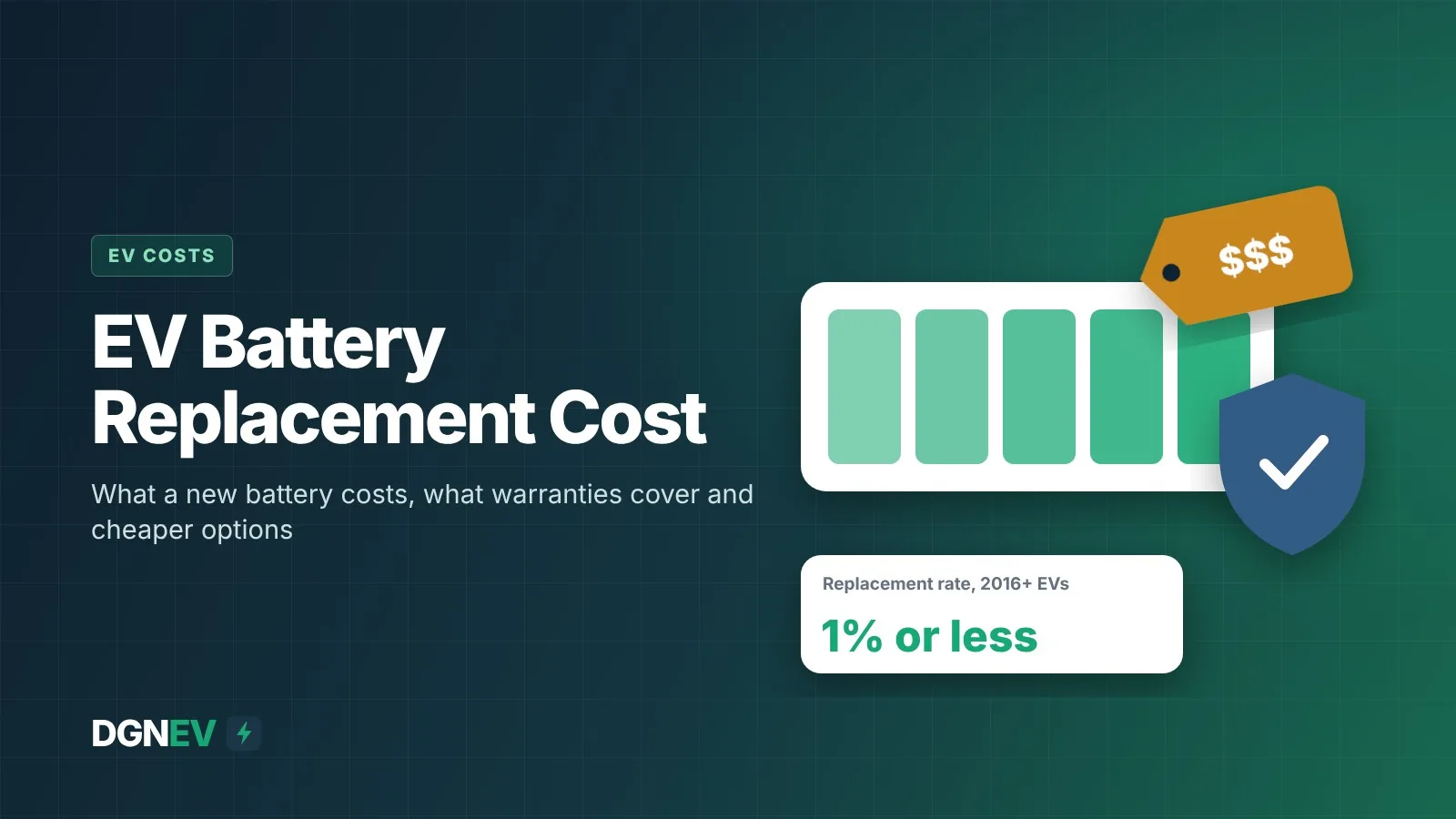
Replacing an electric car's high-voltage battery outside warranty typically costs around $5,000 to $20,000, and more for very large packs in trucks and luxury SUVs. The final bill depends mainly on the size of the battery (in kWh), the car model, labor and whether a new, remanufactured or repaired pack is used.
That sounds expensive – but it is a cost very few EV owners ever face. Modern batteries usually last for the life of the car, most are covered by an 8-year or longer warranty, and battery prices keep falling. This guide explains what a replacement costs, how likely you are to need one and how to avoid paying for it.
How likely are you to need a new battery?
Not very. A 2024 study of more than 20,000 EVs by battery analytics company Recurrent found that only about 2.5% had ever had a battery replaced. For cars built in 2016 or later, the rate was 1% or less – and many of those replacements were covered by warranties or recalls rather than paid by owners. Early EVs built before 2015 had much higher rates.
Normal battery aging is slow: real-world data shows most modern EV batteries lose only around 2% of capacity per year. Read more in our guide on how long EV batteries last, or estimate your own battery's future health with our battery degradation calculator.
Typical replacement costs
Out-of-warranty prices vary a lot between models and dealers. As a rough guide, published planning estimates for 2026 include:
| Model (battery size) | Estimated replacement cost |
|---|---|
| Nissan Leaf (40 kWh) | About $4,000–$6,500 |
| Nissan Leaf Plus (62 kWh) | About $6,500–$9,500 |
| Tesla Model 3 (60 kWh LFP) | About $13,000–$18,000 |
| Hyundai Ioniq 5 (77 kWh) | About $14,000–$19,000 |
| Ford Mustang Mach-E (88 kWh) | About $18,000–$28,000 |
| Ford F-150 Lightning (131 kWh) | About $25,000–$50,000 |
Source: Jouleio EV battery replacement estimates (September 2026), based on public replacement reports. These are planning ranges, not quotes – actual prices depend on the dealer, labor rates and parts availability.
What determines the price?
- Battery size: the more kWh, the more cells and the higher the price. Large trucks and SUVs cost the most.
- Battery chemistry: LFP cells are cheaper than nickel-based NMC cells. See LFP vs NMC batteries.
- Pack design: some packs are built from replaceable modules; others are "structural" or cell-to-pack designs that are harder to repair.
- Labor and diagnostics: removing and installing a pack takes specialist training and equipment.
- New vs remanufactured: remanufactured or used packs can cost much less than new ones.
- Where you live: prices and availability differ by country and dealer.
Battery prices are falling
The cells themselves keep getting cheaper. According to BloombergNEF, the average price of a battery pack for battery electric cars fell to $99 per kWh in 2025 – the second year in a row below $100. LFP packs averaged $81 per kWh and NMC packs $128 per kWh, and prices in China were far lower than in North America and Europe.
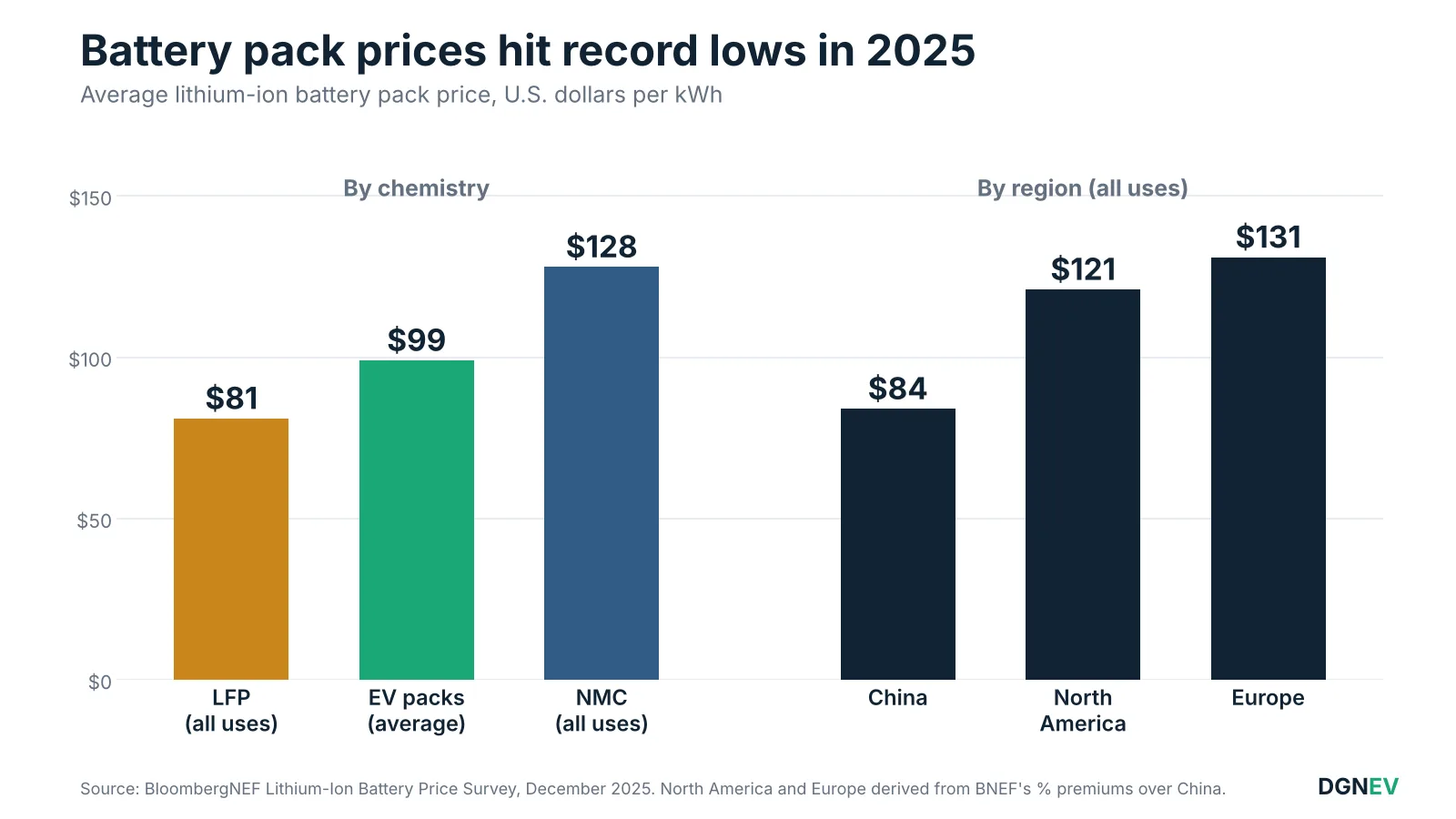
These are factory pack prices for carmakers, not what you would pay at a dealer – a retail replacement adds the carmaker's margin, logistics and labor. Still, falling cell prices mean replacement costs should keep coming down. Recurrent has estimated that by 2030, replacing a battery could cost less than repairing a failed gas engine in many cases.
What does the warranty cover?
Nearly every new EV comes with a separate battery warranty, typically:
- 8 years or 100,000 miles in the U.S. for most brands; Hyundai and Kia offer 10 years or 100,000 miles to the original owner.
- 8 years or 160,000 km (sometimes more) in Europe and many other markets.
- Coverage for defects and, with most brands, for capacity falling below about 70% during the warranty period (75% for some models, such as the Nissan Leaf).
In California, rules for 2026 and newer models also require EV batteries to keep at least 70% of their range for 10 years or 150,000 miles. Always read the warranty booklet for your exact car – terms differ, and some cover only defects, not gradual capacity loss.
Cheaper alternatives to a new battery
- Module or cell repair: if only part of the pack is faulty, a specialist can sometimes replace individual modules for a fraction of the cost of a new pack.
- Remanufactured packs: refurbished batteries with tested modules, often with their own warranty.
- Used packs: from salvaged vehicles – cheaper, but check their health and history.
- Independent EV specialists: a growing number of independent shops repair EV batteries, often for less than dealers.
- Extended warranties: for used EVs, some sellers offer battery coverage beyond the factory warranty.
Buying a used EV? Check the battery
- Ask for a battery health report (state of health, SoH), available from some dealers and independent services.
- Check how much of the battery warranty remains and whether it transfers to you.
- Compare the car's current full-charge range with its original rated range.
- Check for open recalls – some battery issues are fixed free of charge under recall.
How to make your battery last
- Use everyday AC charging and save DC fast charging for trips.
- Follow the manufacturer's charge limit – often 80–90% for NMC batteries; LFP is usually fine at 100%.
- Avoid leaving the car at 100% or near 0% for long periods.
- Park in the shade or a garage in very hot weather.
Frequently asked questions
How much does a Tesla battery replacement cost?
Estimates for a Tesla Model 3 range from about $13,000 to $22,000 depending on the battery version, and more for the Model S or Cybertruck. Most Tesla batteries are covered for 8 years, with mileage limits that depend on the model.
Is it worth replacing the battery in an old EV?
It depends on the car's value. For an older, low-value EV, a used or remanufactured pack or module repair may make more sense than a new battery. For a newer car, a replacement can restore full range and value.
How long do EV batteries last?
Most modern EV batteries are expected to last the life of the vehicle – often 12–15 years or more in moderate climates – while gradually losing some capacity.
Does car insurance cover battery replacement?
Comprehensive or collision insurance may cover battery damage from an accident, flood or fire, but not normal wear or capacity loss. Check your policy.
Will battery replacement get cheaper?
Very likely. Battery pack prices fell again in 2025 to record lows, and more repair options and remanufactured packs are becoming available.
The bottom line
A new EV battery can cost from around $5,000 to over $20,000, depending mostly on its size. But replacements are rare – about 1% or less for EVs built since 2016 – batteries are covered by long warranties, and prices are falling fast. If you buy a used EV, check the battery health and remaining warranty; if you own one, good charging habits will help your battery last as long as the car. For the bigger cost picture, read electric vs gas cars: which is cheaper.
Work out your own numbers
Note: This guide is for general information only. Prices, specifications and regulations change over time and vary by country, so always check with the manufacturer or a qualified professional before making decisions. Read our disclaimer.
Keep reading
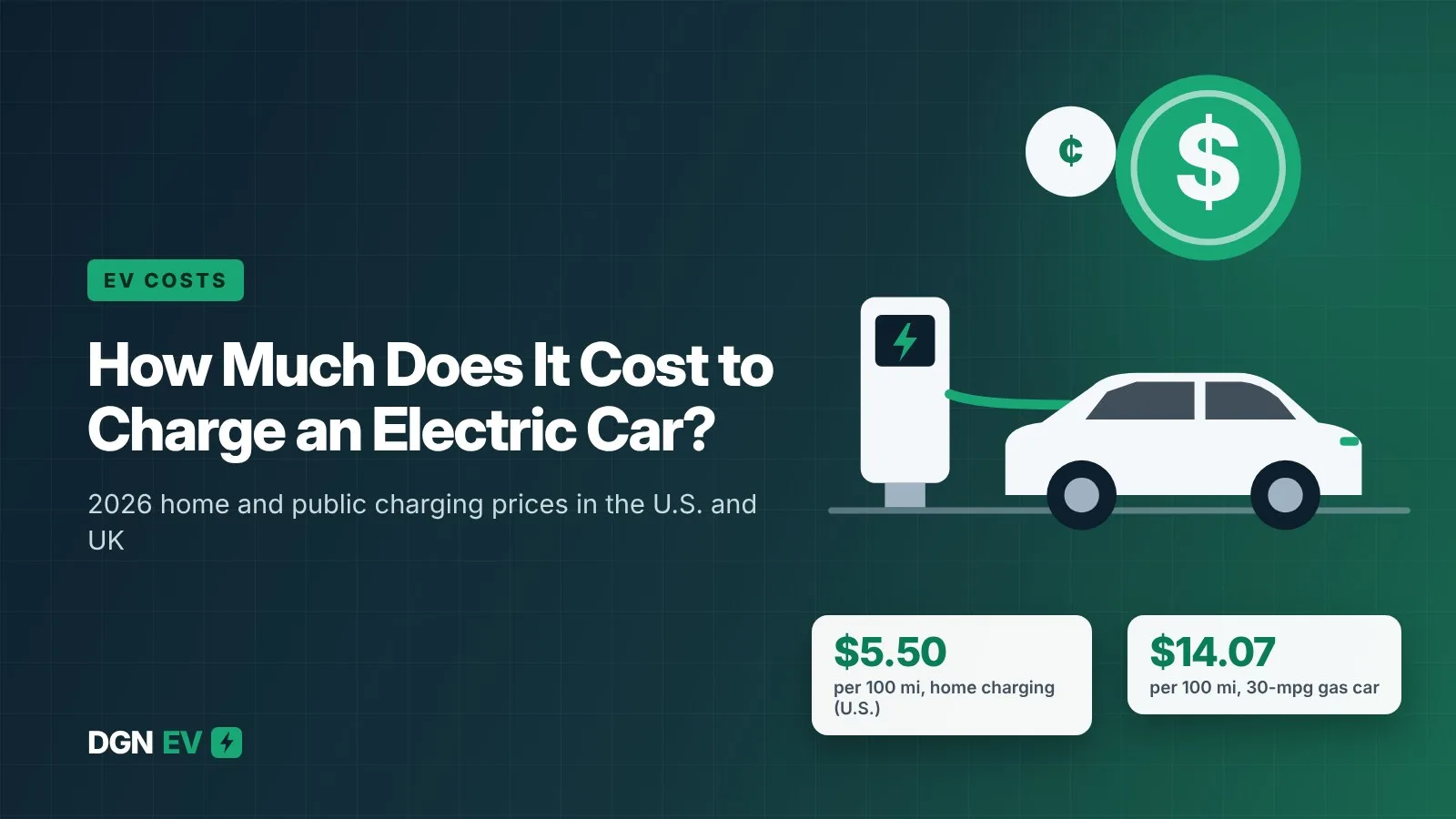
How Much Does It Cost to Charge an Electric Car? (2026 Prices)
Charging an EV at home in the U.S. costs about $5–6 per 100 miles at average electricity prices, versus about $14 in fuel for a 30-mpg gas car…
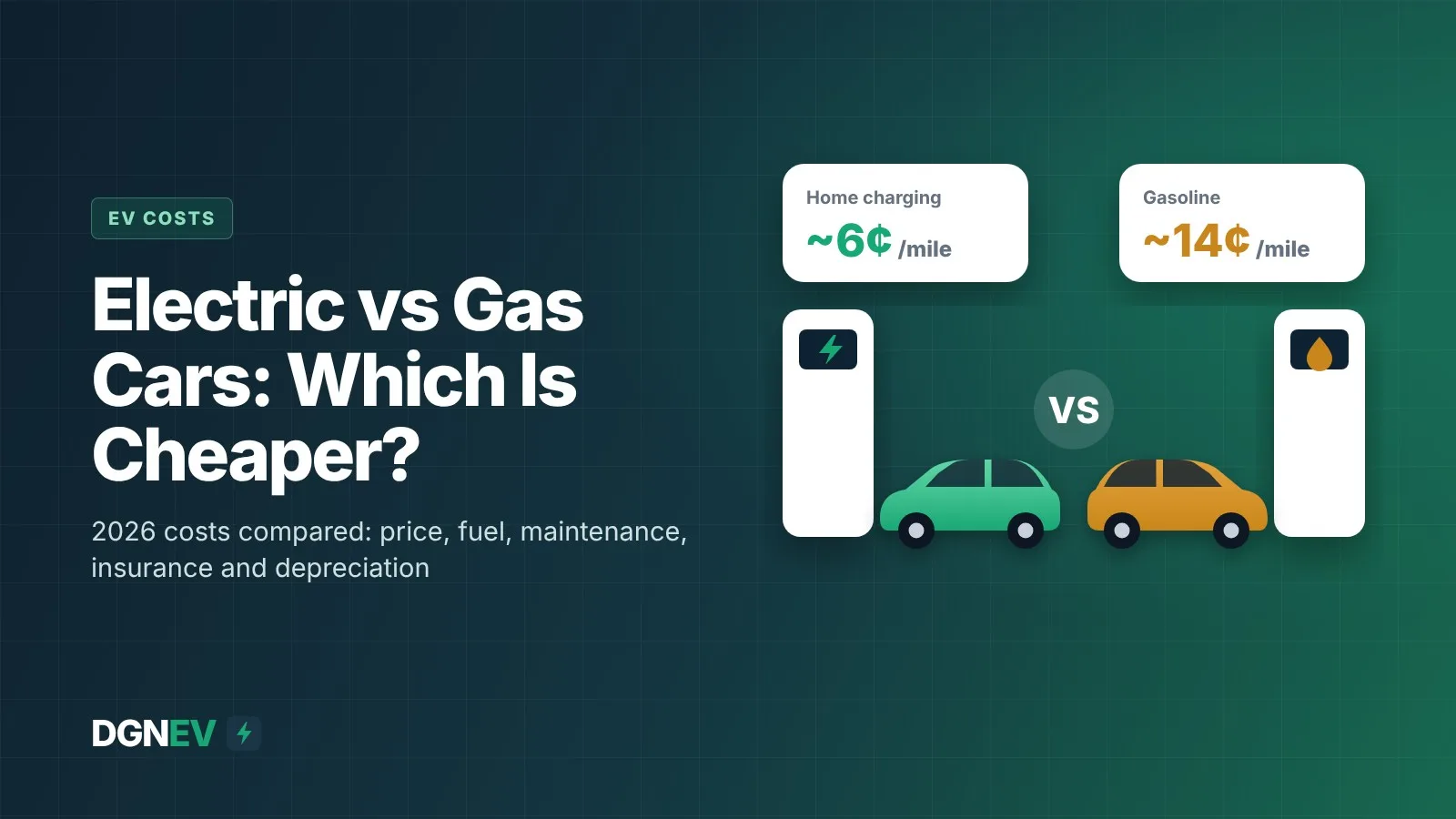
Electric vs Gas Cars: Which Is Cheaper to Own in 2026?
EVs cost far less to fuel and maintain, but usually more to buy and insure, and they lose value faster. We compare the real 2026 numbers – price…

Electric Cars: Pros and Cons You Should Know
Electric cars are cheaper to run and maintain, but they cost more to buy and need more planning on long trips. Here are the real advantages and…
Comments
Be the first to comment
Questions and experiences are welcome. Comments are reviewed before publishing; links are not allowed. Your email is optional and never shown.