How this calculator works
For the gasoline car, the calculator divides your yearly distance by its fuel economy and multiplies by the fuel price. For the electric car, it divides the distance by the car's efficiency, adds charging losses and uses a blended electricity price based on how much you charge at home versus at public chargers.
Maintenance is estimated per mile using figures from a U.S. Department of Energy Argonne National Laboratory study: about $0.061 per mile for battery-electric cars and $0.101 per mile for gasoline cars. You can change these values.
If you enter the price difference between the two cars, the calculator shows how many years of savings it takes to cover it. Insurance, taxes, financing, depreciation and incentives are not included, so treat the result as a guide.
Frequently asked questions
Is an electric car cheaper to run than a gas car?
In most places, yes – especially if you charge at home. Electricity usually costs less per mile than gasoline, and EVs need less maintenance. Relying mostly on public fast charging can reduce or remove the fuel savings.
How long does it take for an EV to pay for itself?
It depends on the price difference, how far you drive and your local energy prices. Drivers who cover long distances and charge at home usually recover a higher purchase price faster.
Does the calculator include tax credits?
No. In the U.S., the federal EV tax credit ended for vehicles acquired after September 30, 2025, but some states, utilities and other countries still offer incentives. Subtract any incentive from the price difference you enter.
Related guides
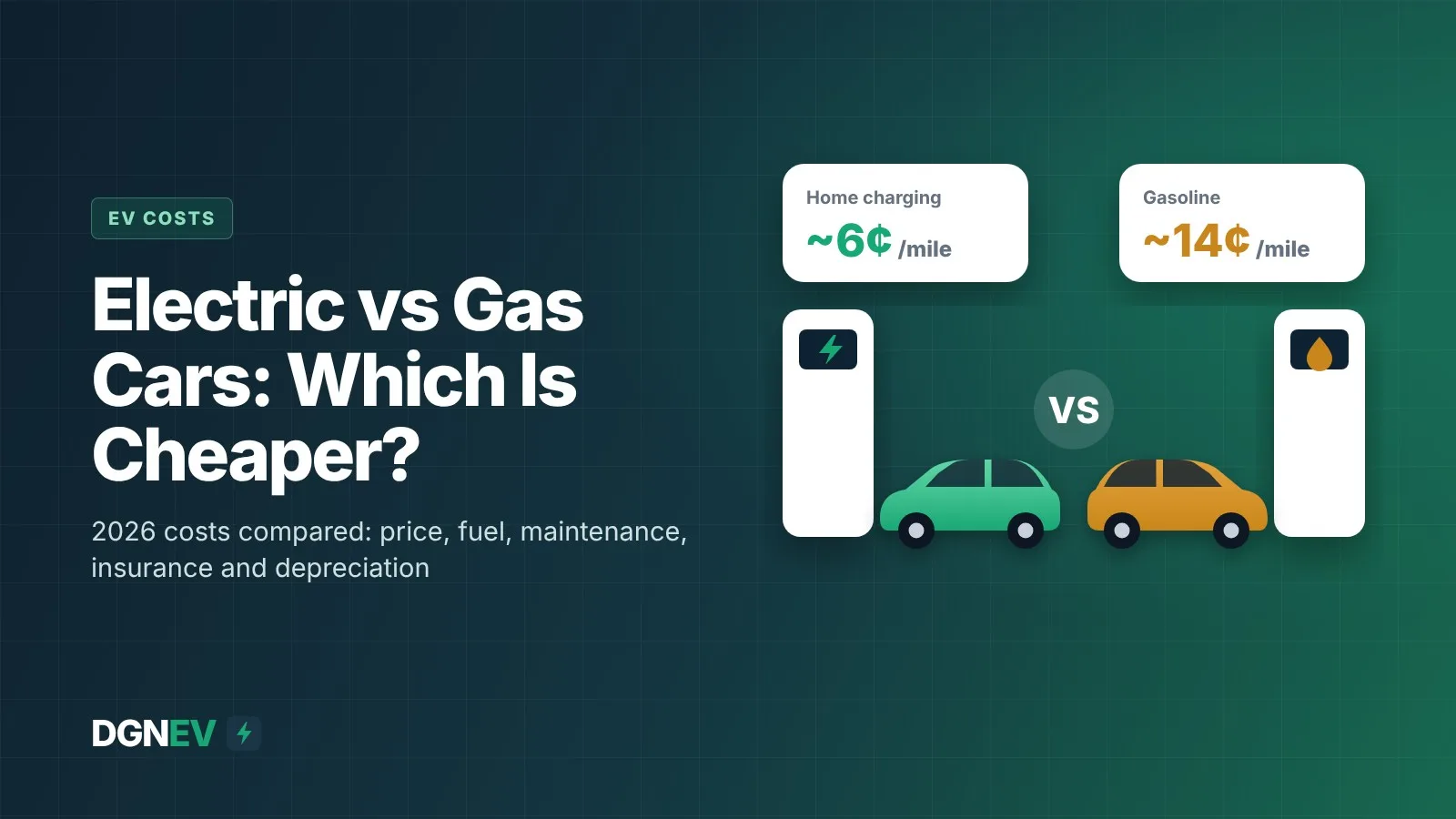
Electric vs Gas Cars: Which Is Cheaper to Own in 2026?
EVs cost far less to fuel and maintain, but usually more to buy and insure, and they lose value faster. We compare the real 2026 numbers – price…
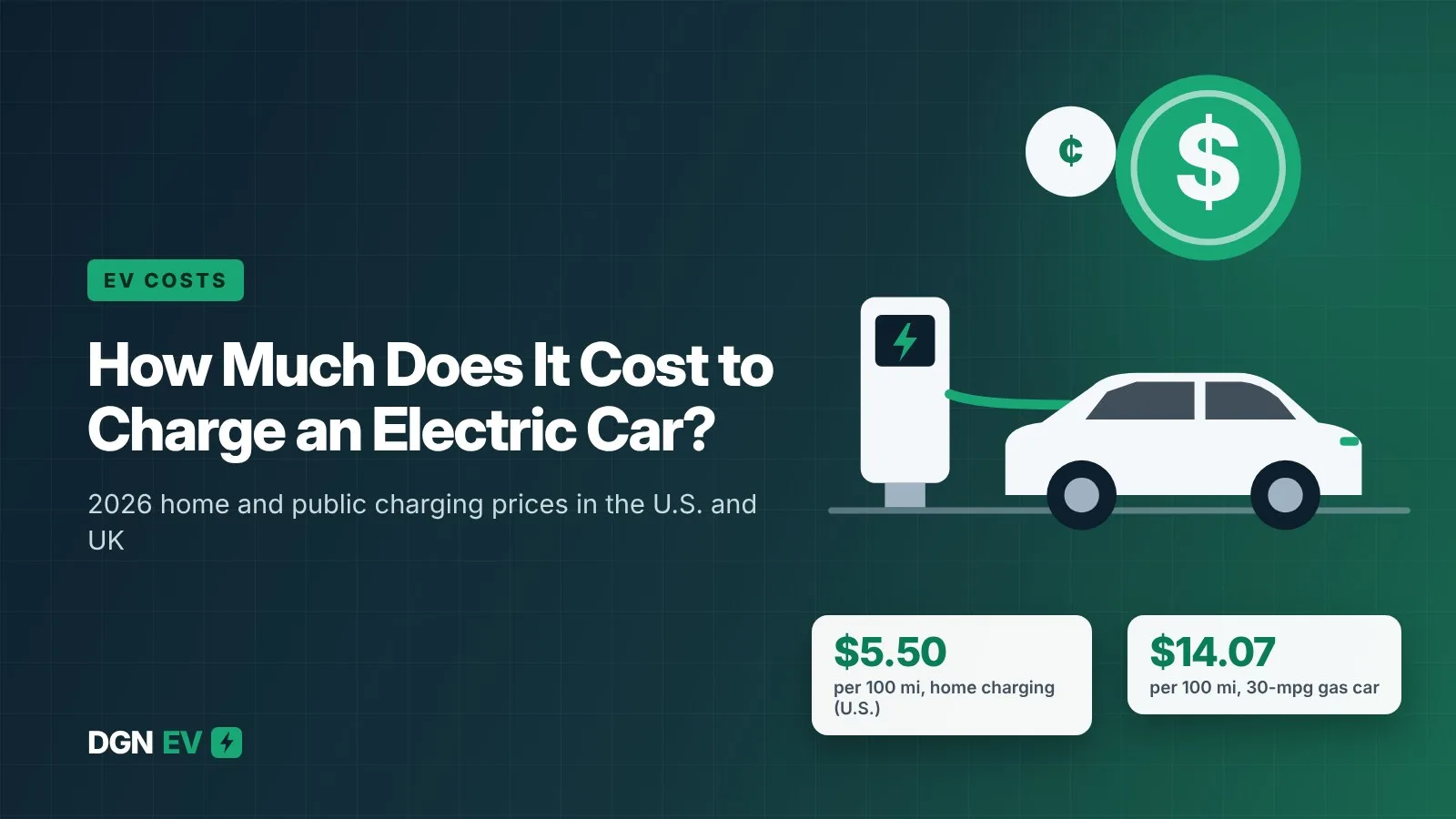
How Much Does It Cost to Charge an Electric Car? (2026 Prices)
Charging an EV at home in the U.S. costs about $5–6 per 100 miles at average electricity prices, versus about $14 in fuel for a 30-mpg gas car…
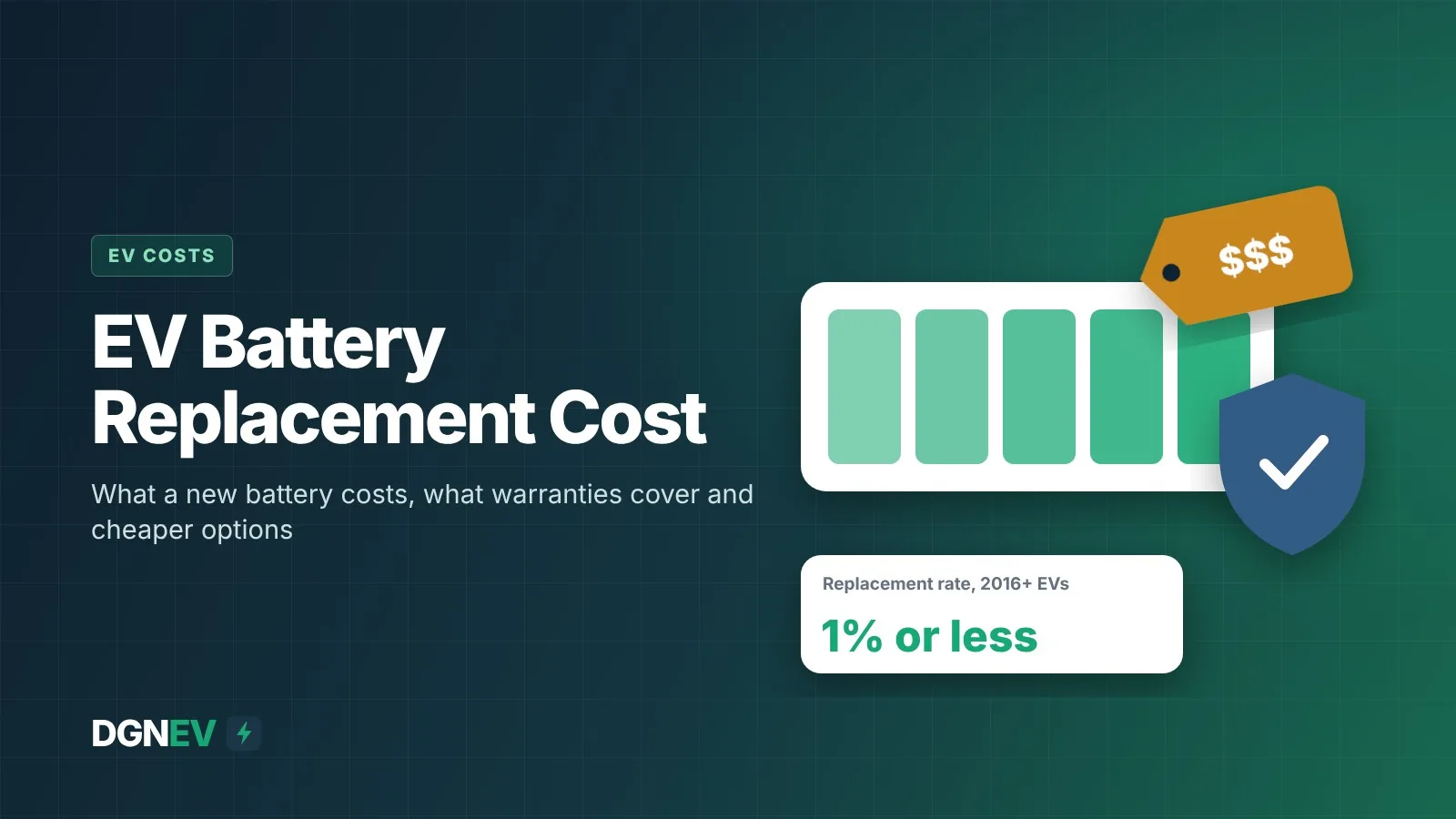
How Much Does It Cost to Replace an EV Battery? (2026 Guide)
An EV battery replacement can cost from around $5,000 for a small pack to $20,000 or more for a large one – but very few owners ever pay for one…