How this calculator works
The energy you add is battery size × (target % − start %). The time it takes is that energy divided by your car's average charging power – usually well below the charger's headline figure, because cars slow down as the battery fills.
A per-kWh price is simple: energy × price + any session fee. A per-minute price depends on how fast you charge: minutes × price + fee. Dividing the per-minute cost by the energy gives its real price per kWh. The faster your car charges, the cheaper per-minute pricing becomes; the break-even speed is the price per minute × 60 ÷ the price per kWh.
Many places now require chargers to bill by energy rather than time, but per-minute and tiered pricing are still used by some networks. Idle fees for staying plugged in after charging are not included.
Frequently asked questions
Is it better to pay per minute or per kWh at a charger?
Per-kWh pricing is fairer for most drivers because you pay only for the energy you receive. Per-minute pricing can be cheaper for cars that charge very fast, but expensive for cars that charge slowly or in cold weather.
Why does my car charge slower than the charger's maximum?
The car limits the power to protect the battery. Charging is fastest when the battery is low and warm, and slows down above roughly 50–80%. Your car's own maximum may also be lower than the charger's.
What are idle fees?
Many networks charge a per-minute fee if you stay plugged in after charging has finished, to free up the charger for others. Move your car soon after charging ends to avoid them.
Related guides
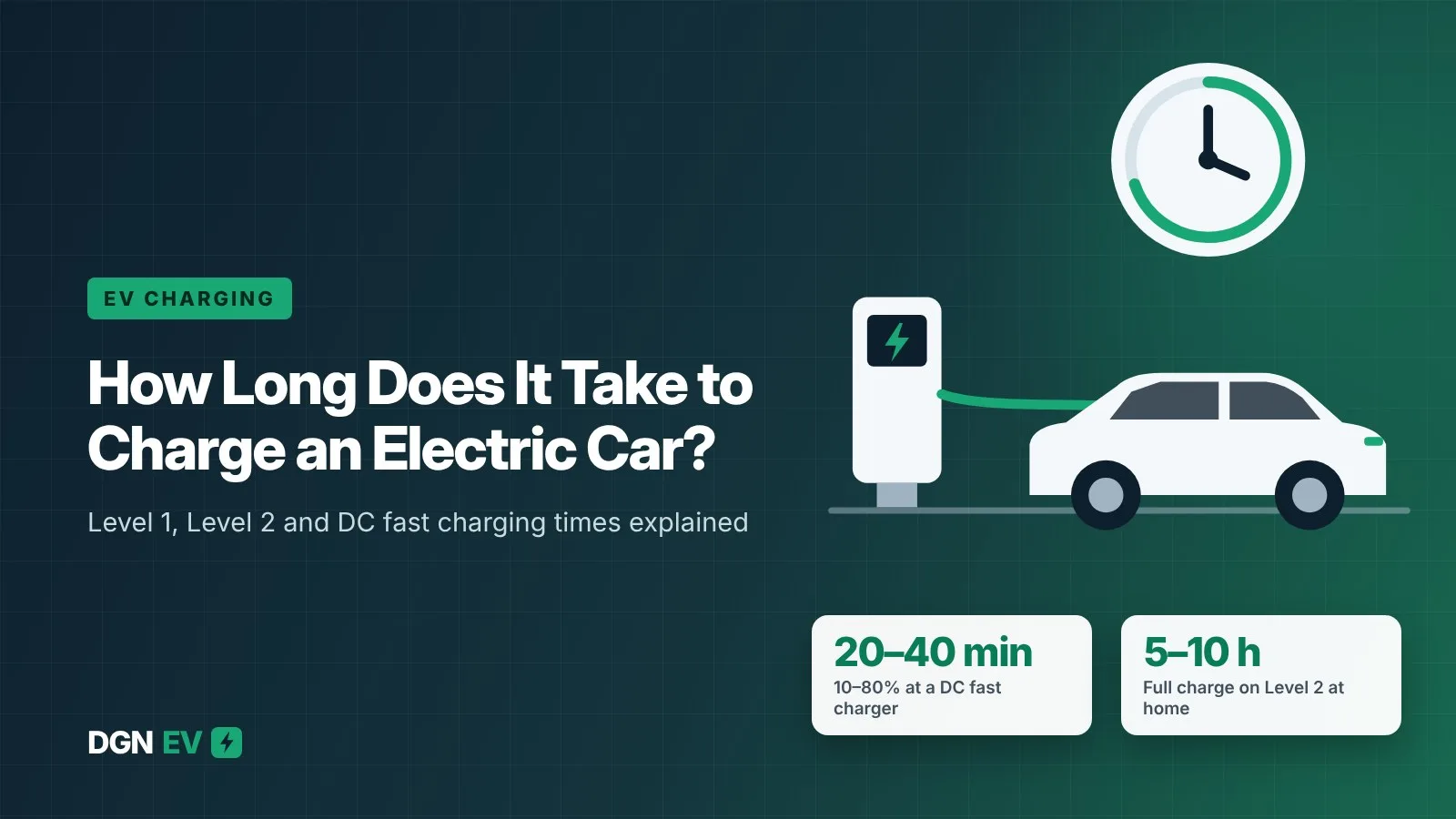
How Long Does It Take to Charge an Electric Car?
Charging an EV takes anywhere from about 20 minutes to more than 40 hours. It depends on the charger, the battery size and the car's own charging…
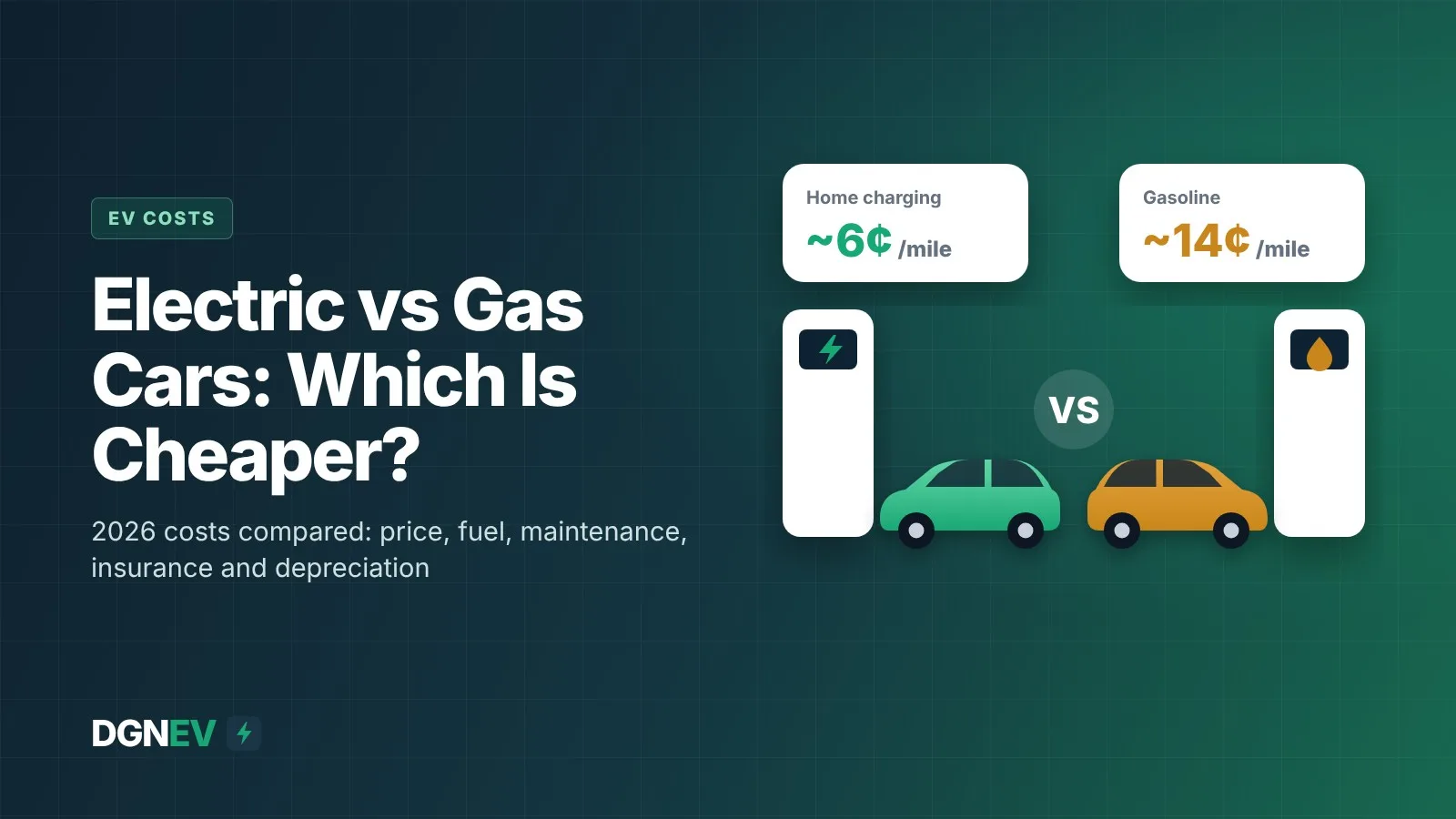
Electric vs Gas Cars: Which Is Cheaper to Own in 2026?
EVs cost far less to fuel and maintain, but usually more to buy and insure, and they lose value faster. We compare the real 2026 numbers – price…
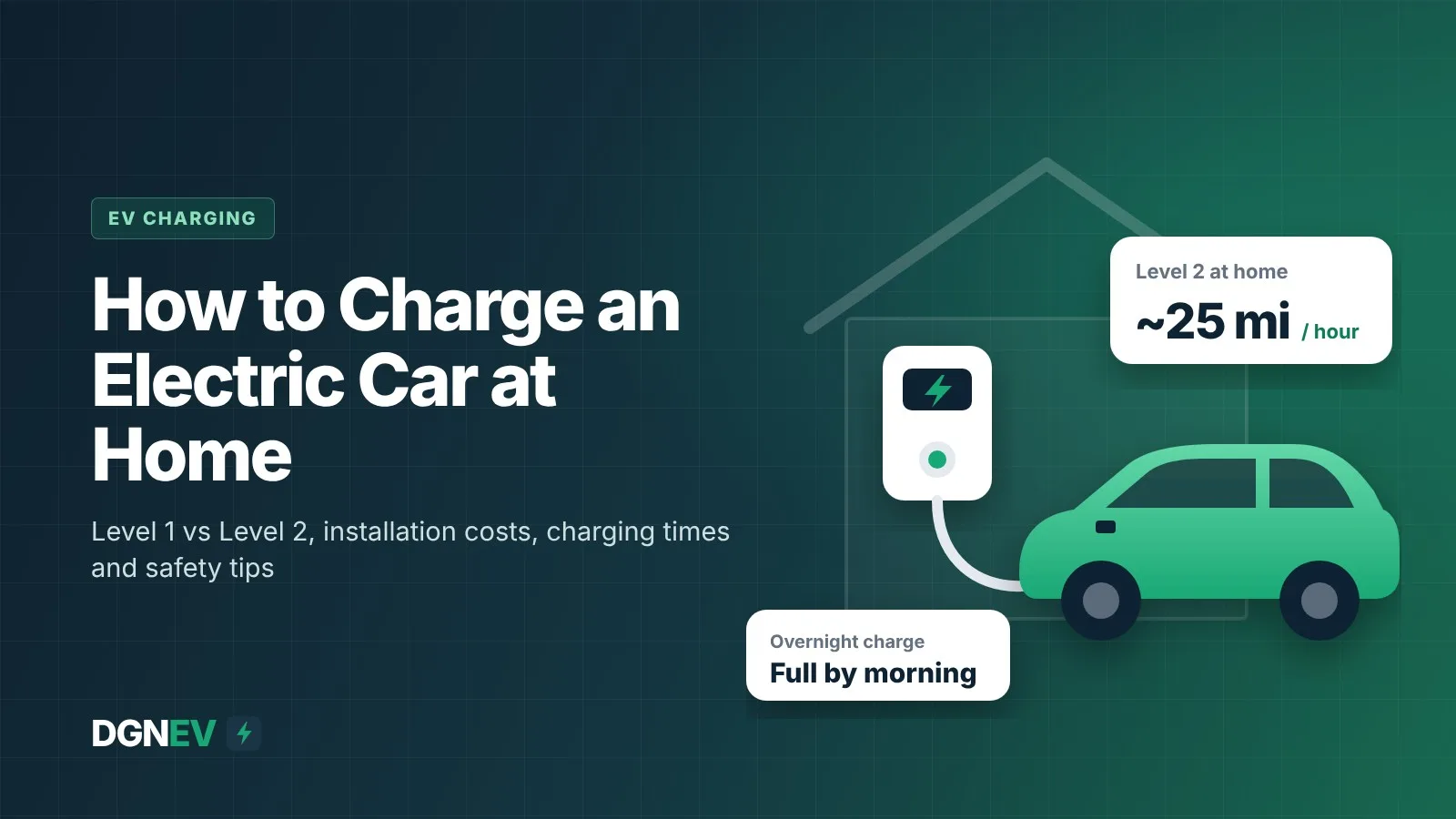
How to Charge an Electric Car at Home: A Complete Guide
Charging at home is the cheapest and easiest way to run an EV. Learn the difference between Level 1 and Level 2 charging, what a home charger costs…