How this calculator works
For each car the calculator adds three costs over the years you choose: energy (gasoline for the hybrid; a mix of home and public charging for the EV, including charging losses), maintenance and depreciation – the purchase price minus what the car is worth when you sell it.
Maintenance defaults come from a U.S. Department of Energy Argonne National Laboratory study, which estimated about $0.094 per mile for hybrids and $0.061 per mile for battery-electric cars. Depreciation defaults reflect iSeeCars data showing that, on average, hybrids lose about 41% of their value over five years and EVs about 59% (iSeeCars). Used EV prices change quickly, so check recent used prices for the models you are comparing.
Insurance, financing and taxes are not included; insurance is often higher for EVs.
Frequently asked questions
Is a hybrid or an electric car cheaper to own?
It depends on how far you drive, your electricity and fuel prices and how much the car will be worth when you sell it. EVs are usually cheaper to run, especially with home charging, but they have tended to lose value faster than hybrids.
How much do hybrids and EVs cost to maintain?
Both are cheaper to maintain than conventional gas cars. Argonne National Laboratory estimated about 9.4 cents per mile for hybrids and 6.1 cents per mile for battery-electric cars.
Should I buy a hybrid if I cannot charge at home?
Often, yes. Without home charging an EV relies on public chargers, which cost much more per kWh. A hybrid needs no charging and can be the cheaper, simpler choice in that case.
Related guides

Electric Cars: Pros and Cons You Should Know
Electric cars are cheaper to run and maintain, but they cost more to buy and need more planning on long trips. Here are the real advantages and…
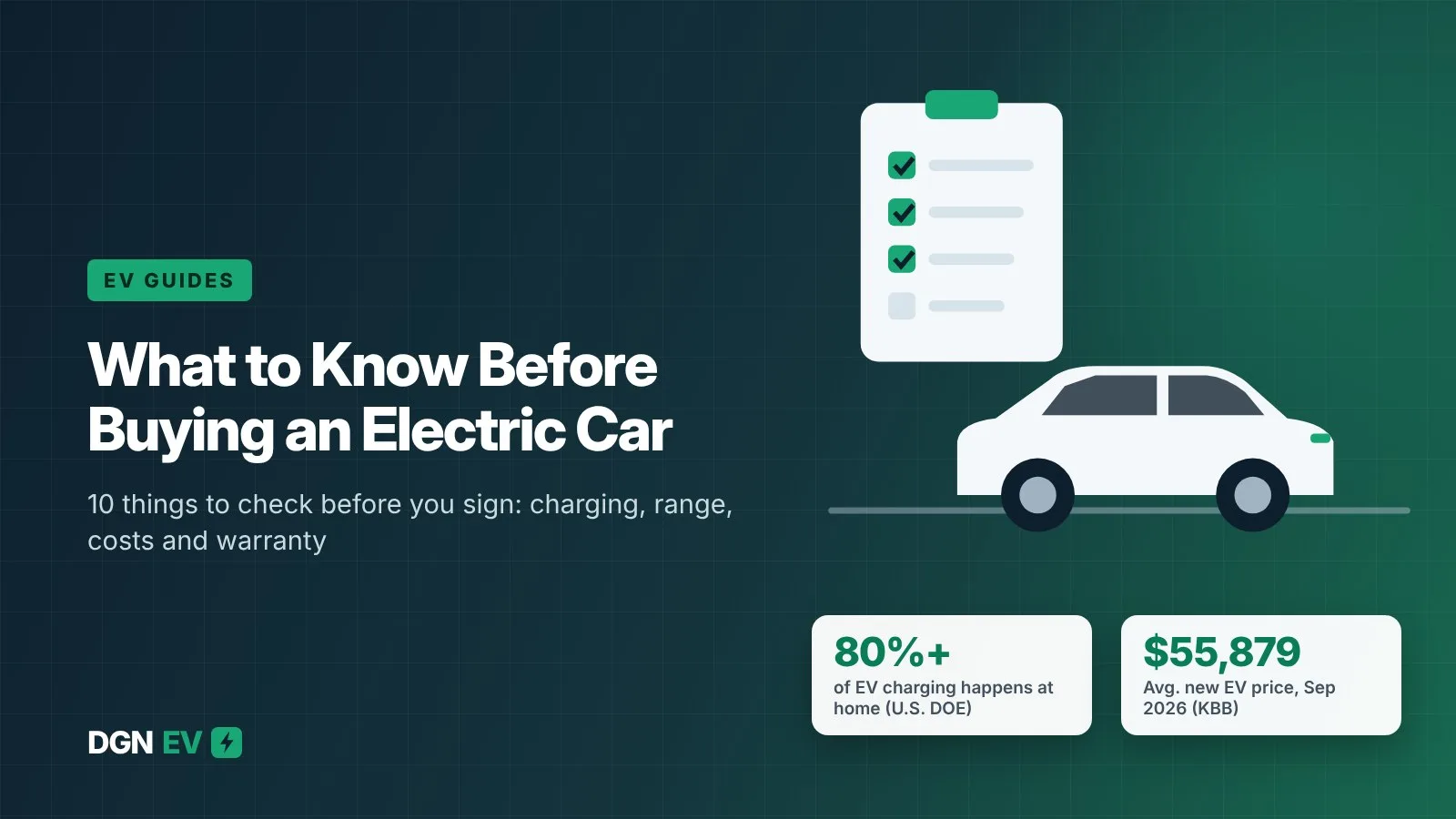
What to Know Before Buying an Electric Car: 10 Things to Check
Thinking about an EV? Check these 10 things first: where you will charge, how much range you really need, what charging costs, battery warranty…

BEV vs PHEV vs HEV: Types of Electric Cars Explained
BEV, PHEV, HEV, MHEV, EREV – electrified cars come in several types. Learn how each one works, how far it can drive on electricity, whether you need…