How this calculator works
Choosing a model fills in a typical usable battery size and real-world efficiency. Tesla does not publish official usable battery capacities, so these are approximate figures based on published specifications and independent tests – change them if your car's energy screen shows different numbers.
Home charging adds about 10% for charging losses: cost = battery energy ÷ charging efficiency × your electricity price. Supercharger prices are charged per kWh delivered to the car, so no extra losses are added.
Supercharger prices vary by location and time of day. In November 2026, the average Supercharger rate for Tesla owners in the U.S. was about $0.43 per kWh, and about $0.62 per kWh for non-Tesla drivers without a membership (DCFC Tracker). Your Tesla app shows the exact price at each site before you plug in.
Frequently asked questions
How much does it cost to charge a Tesla at home?
It depends on your battery size and electricity price. At $0.18 per kWh, adding 70 kWh with about 10% charging losses costs around $14. On a cheap overnight EV tariff, the same charge can cost a third of that.
How much does a Tesla Supercharger cost?
Prices vary by site and time of day. In the U.S. in November 2026, Tesla owners paid about $0.43 per kWh on average, while non-Tesla drivers without a membership paid about $0.62 per kWh.
Is it cheaper to charge a Tesla at home or at a Supercharger?
Home charging is usually much cheaper – often less than half the price per mile of Supercharging. Superchargers are best for road trips and for drivers who cannot charge at home.
Related guides
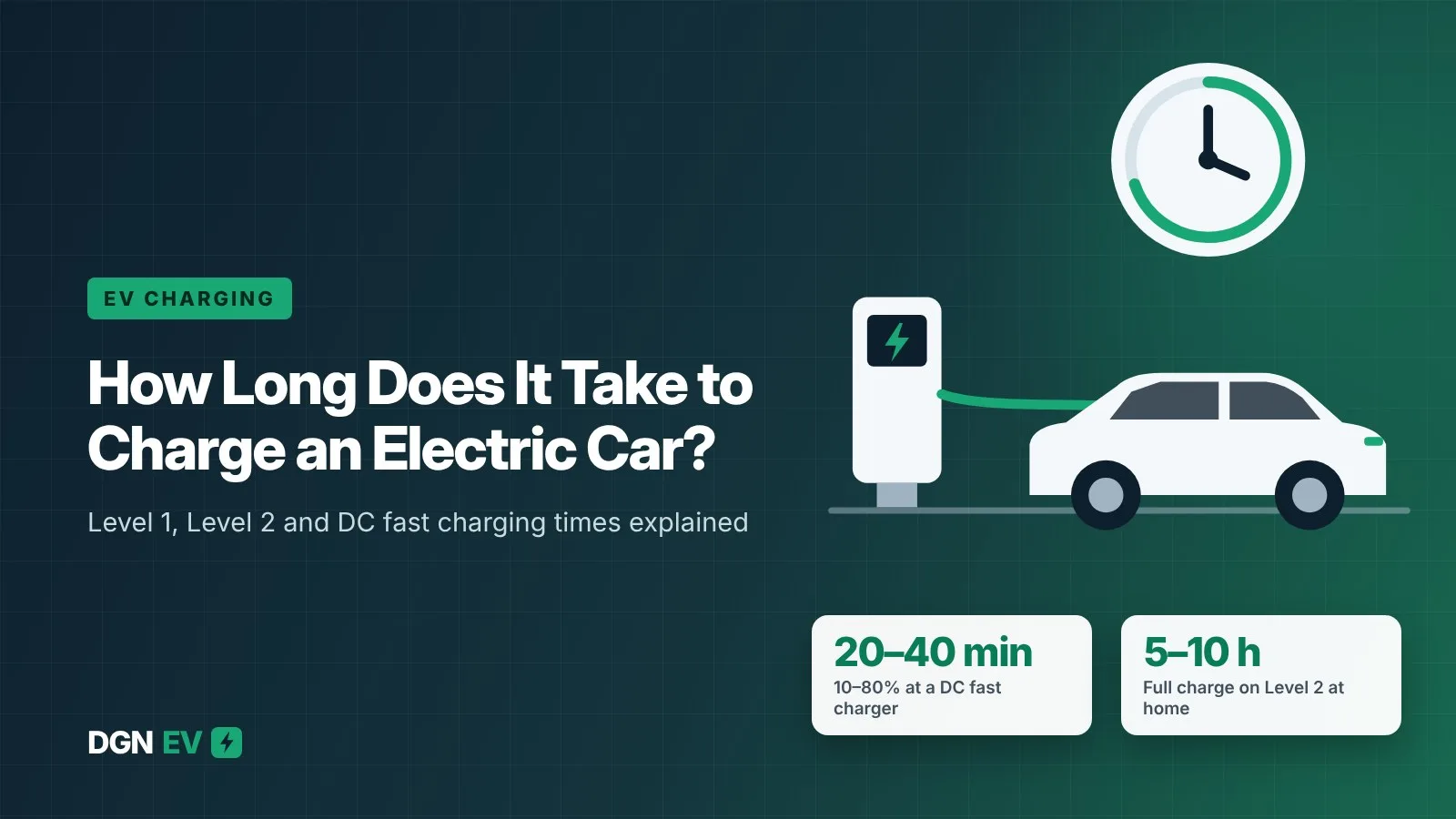
How Long Does It Take to Charge an Electric Car?
Charging an EV takes anywhere from about 20 minutes to more than 40 hours. It depends on the charger, the battery size and the car's own charging…
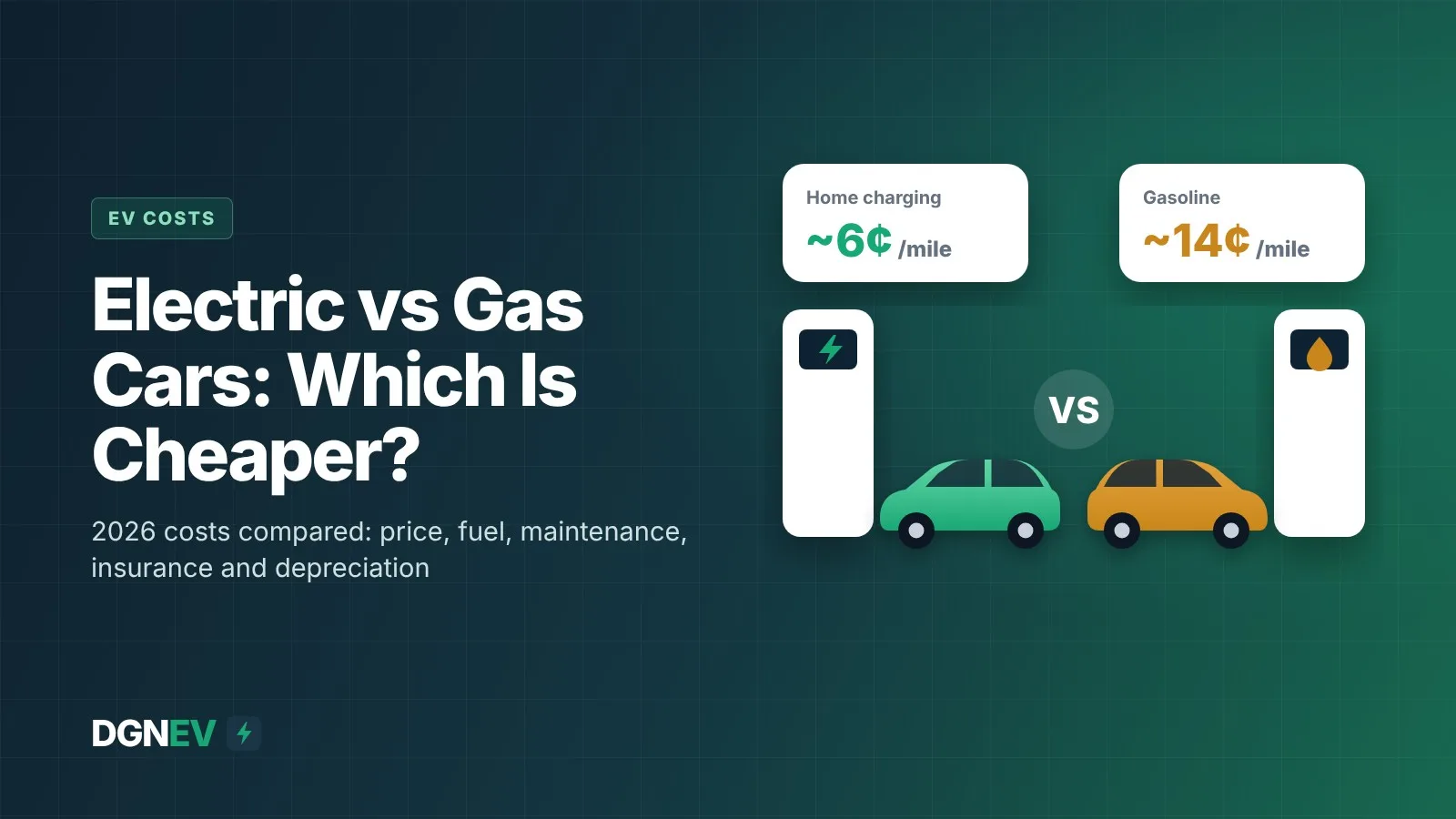
Electric vs Gas Cars: Which Is Cheaper to Own in 2026?
EVs cost far less to fuel and maintain, but usually more to buy and insure, and they lose value faster. We compare the real 2026 numbers – price…
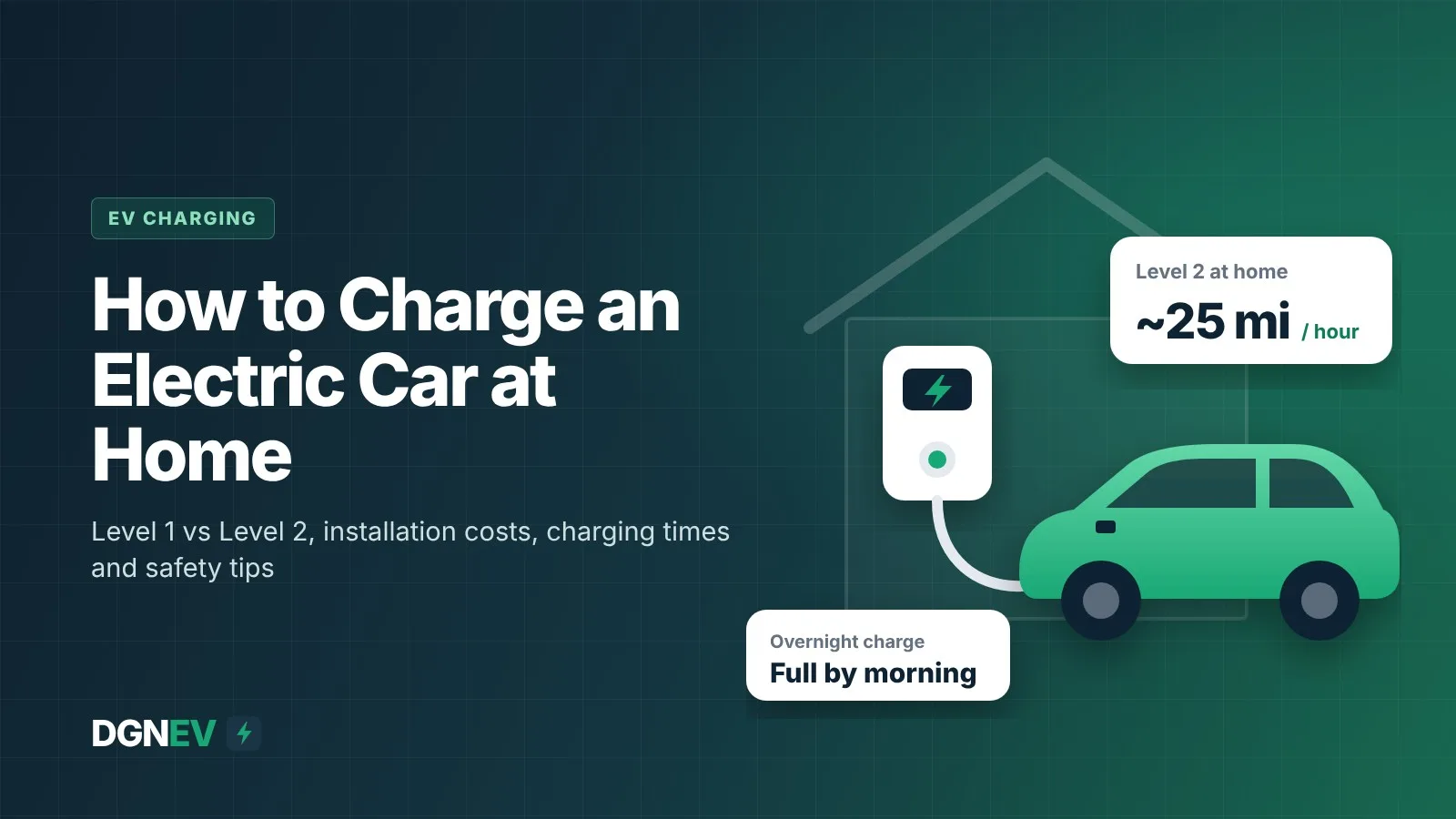
How to Charge an Electric Car at Home: A Complete Guide
Charging at home is the cheapest and easiest way to run an EV. Learn the difference between Level 1 and Level 2 charging, what a home charger costs…